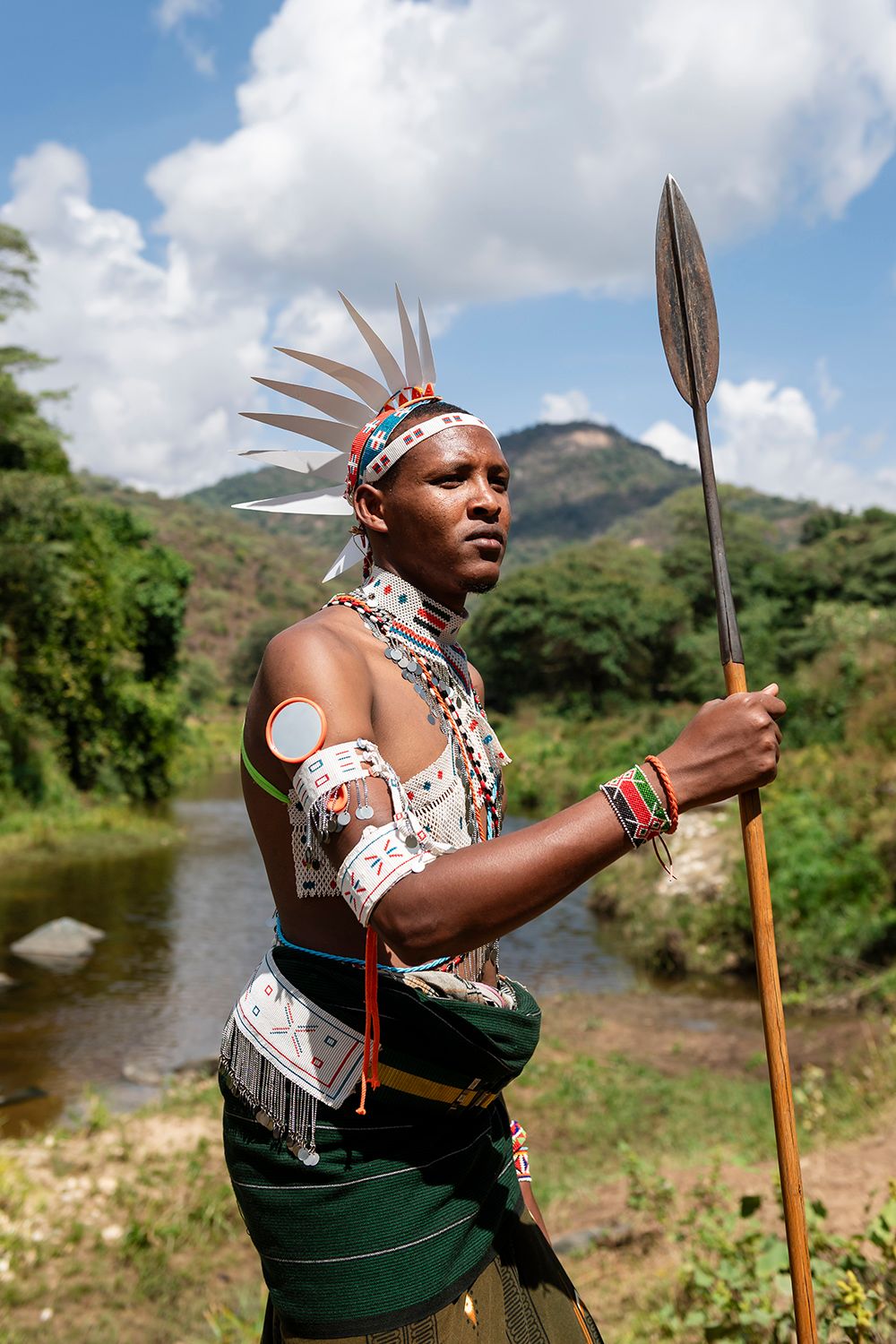
Samburu - The Butterfly People
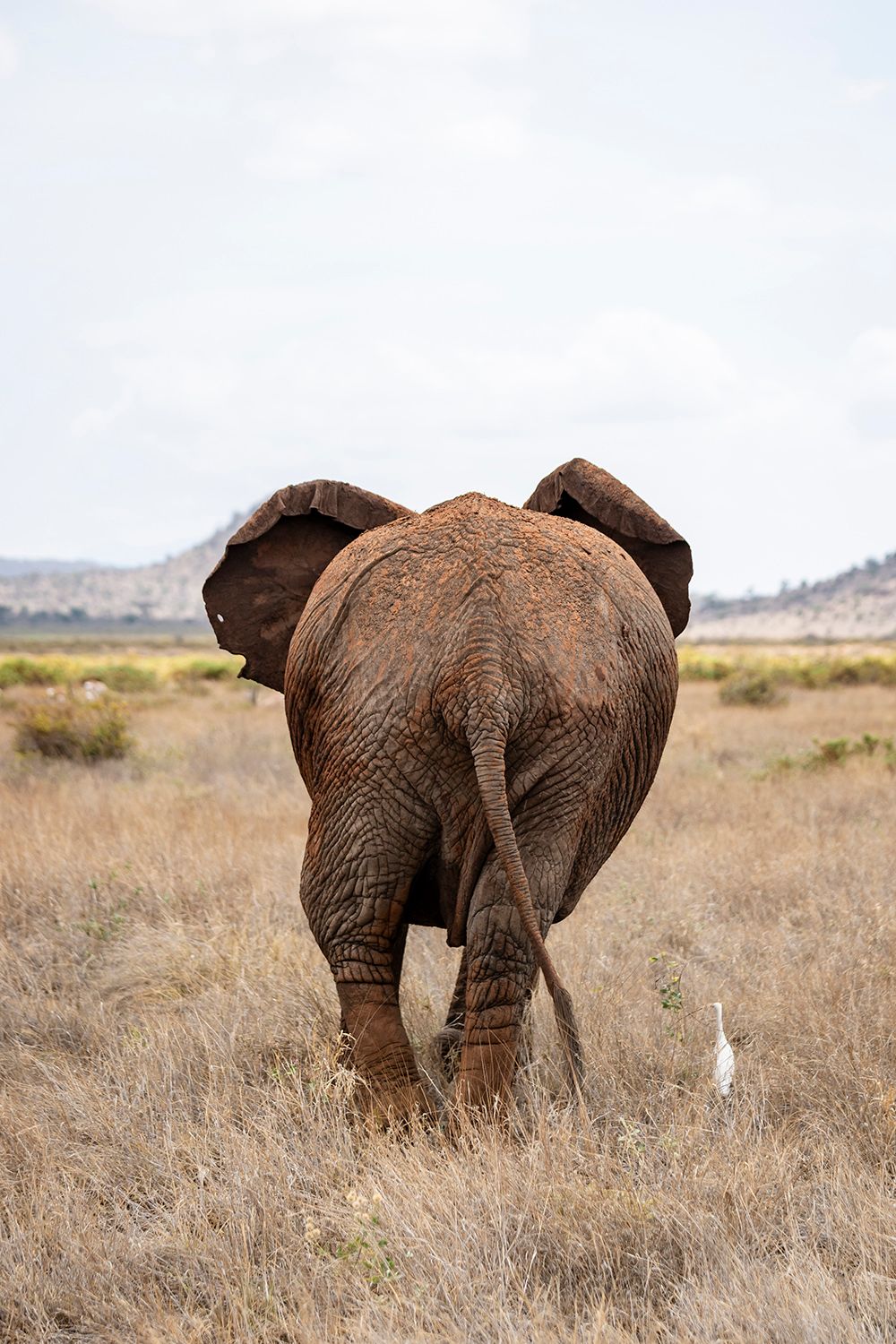
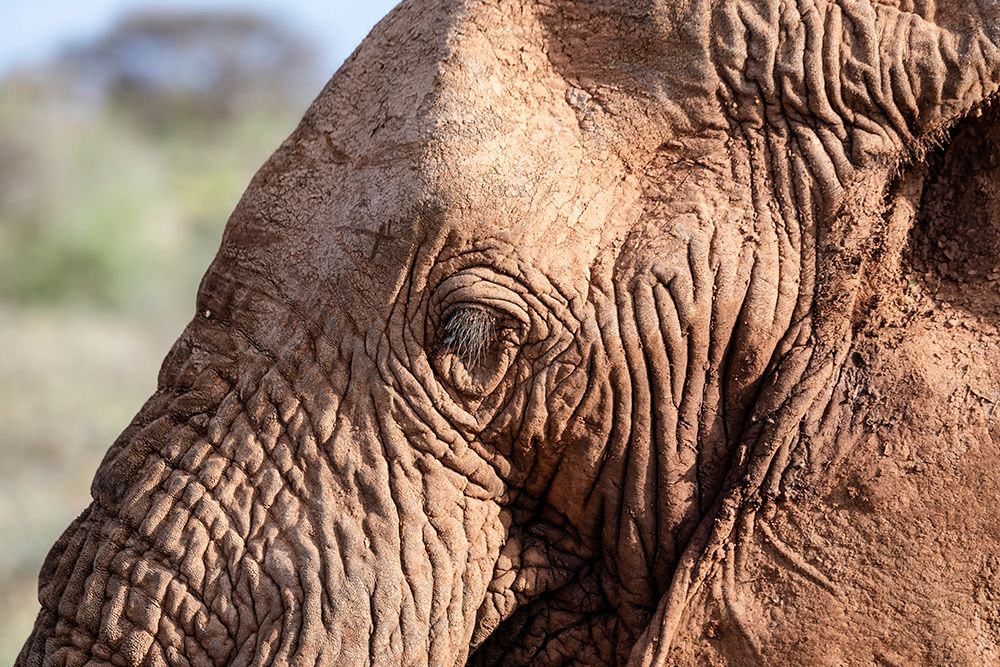
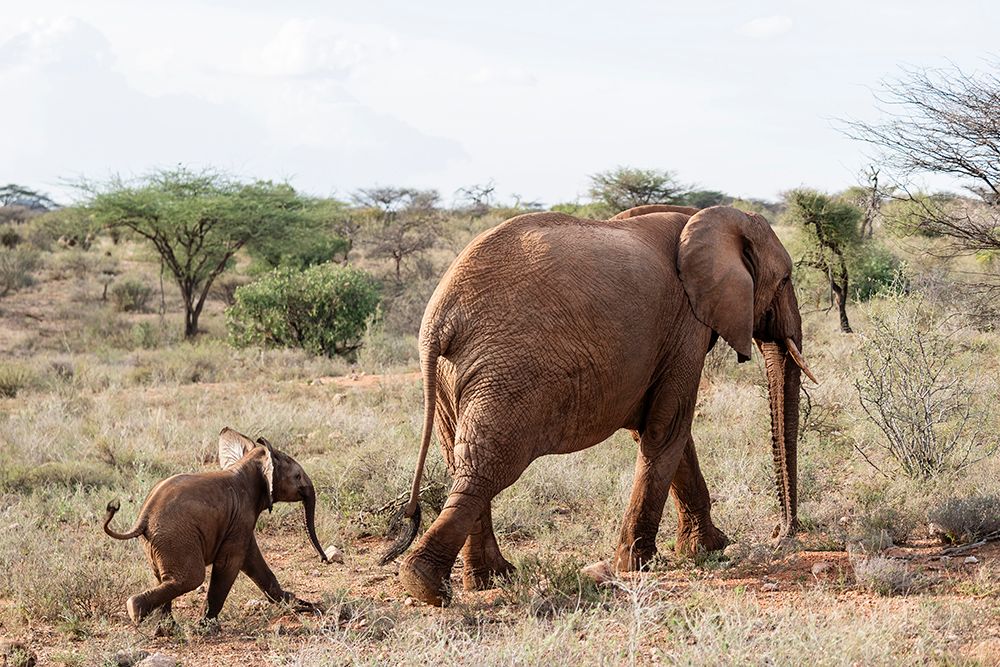
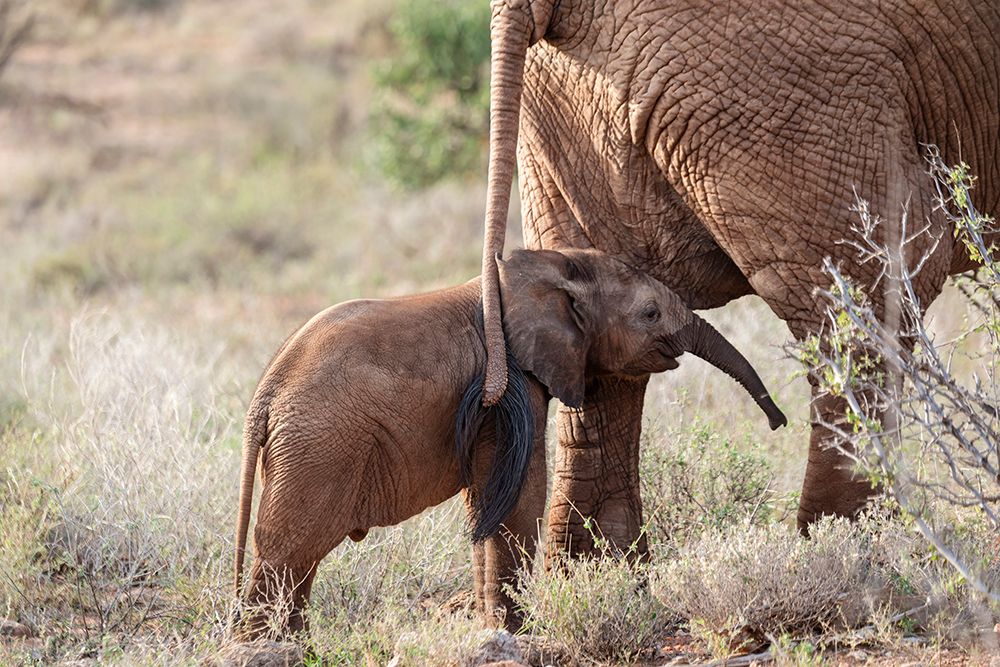
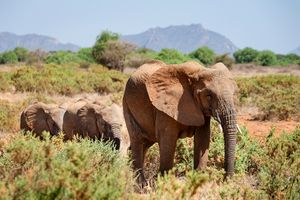
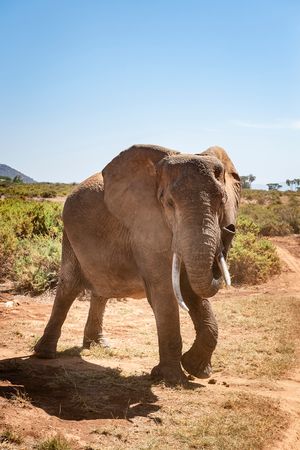
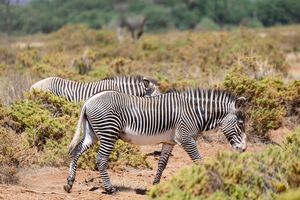
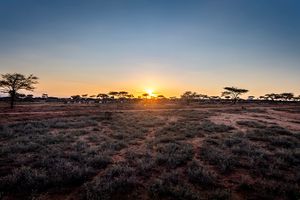
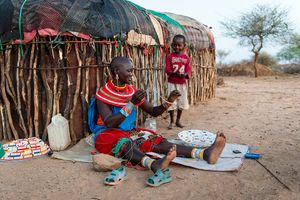
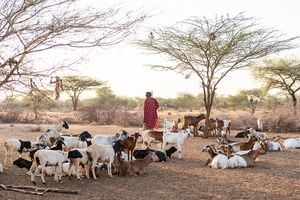
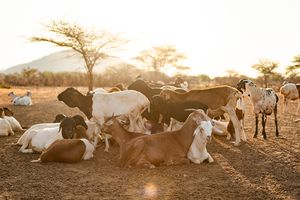
Just north of the equator lies a land steeped in history and rich in fascination. It is a region where people have managed to preserve their cultural identity while building a life in harmony with nature - and especially with Africa’s iconic Big Five. In this sun-scorched landscape, where the rhythmic chime of cattle bells pierces the heavy silence, lies the homeland of the Samburu.
There was a time when the Earth was in far greater motion than it is today. A process that began over 20 million years ago gradually reshaped the African continent, sculpting it into the form we recognize today. Fueled by the immense forces of tectonic shifts within the Earth’s crust, the Great Rift Valley was born - a colossal geological fracture stretching over 6,000 kilometers from its northern reaches in Syria all the way down to Mozambique in the south.
This powerful upheaval left a dramatic mark on East Africa. It gave rise to Lake Victoria (the world’s third-largest lake), the Ngorongoro Crater in Tanzania, and iconic mountain ranges such as Mount Kilimanjaro and Mount Kenya. Just north of this towering Kenyan landmark, the rifting of tectonic plates created a vast highland region, with plateaus rising to over 2,400 meters above sea level.
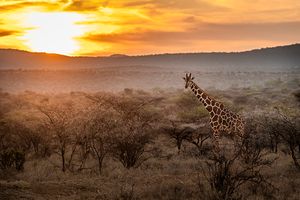
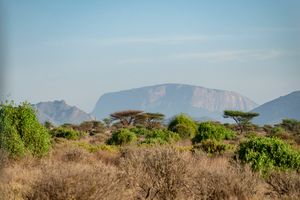
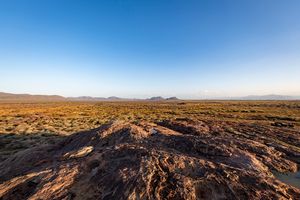
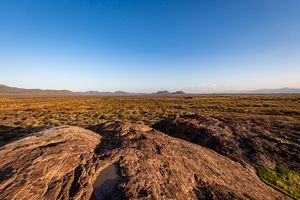
It is here, in northern Kenya, that the Samburu District is found - an expansive territory covering approximately 21,022 square kilometers, lying southwest of Lake Turkana and north of the Ewaso Ng'iro River. The landscape here is breathtaking in its diversity and stark beauty - but also unforgiving. Scorching, dry, rugged, and remote.
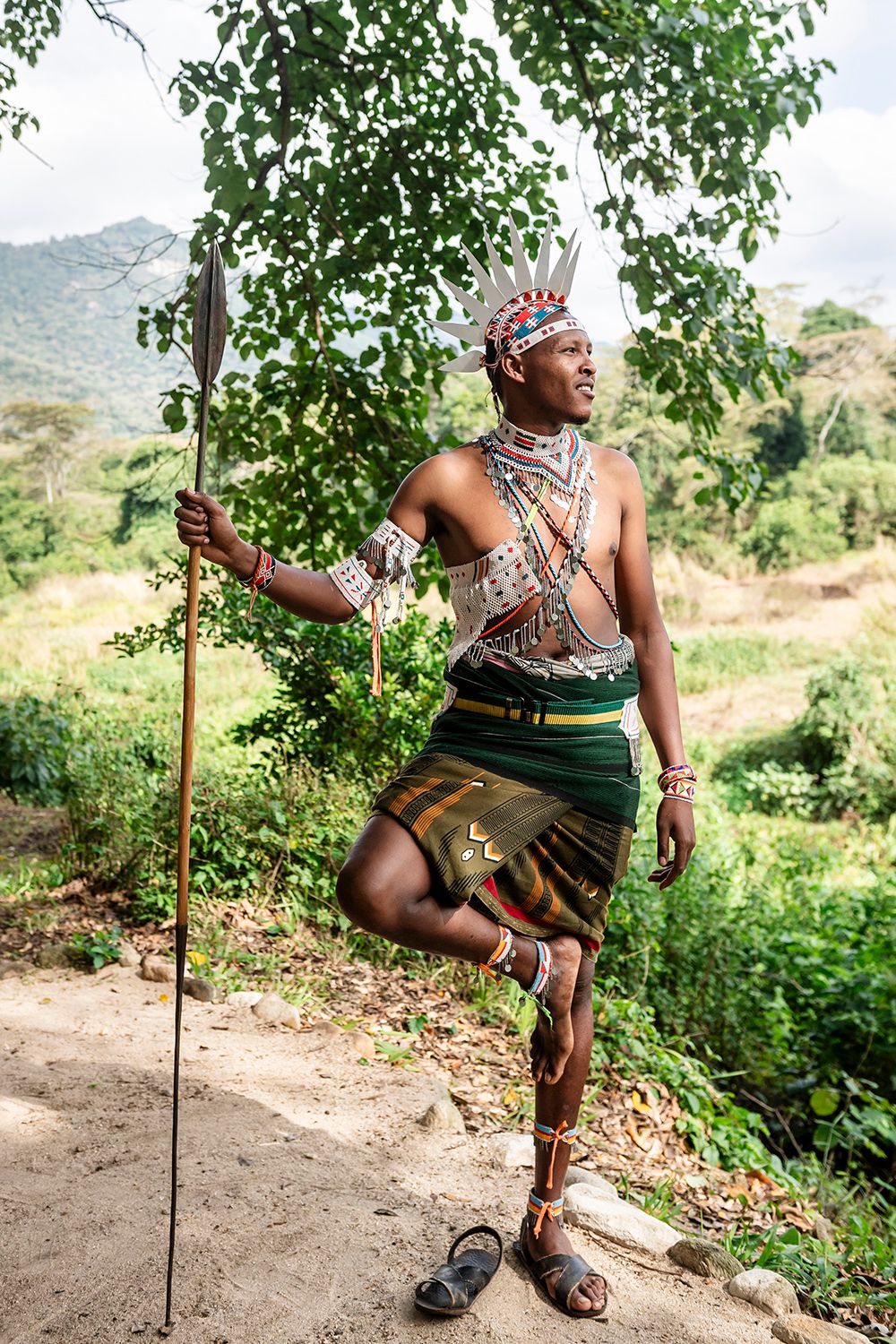
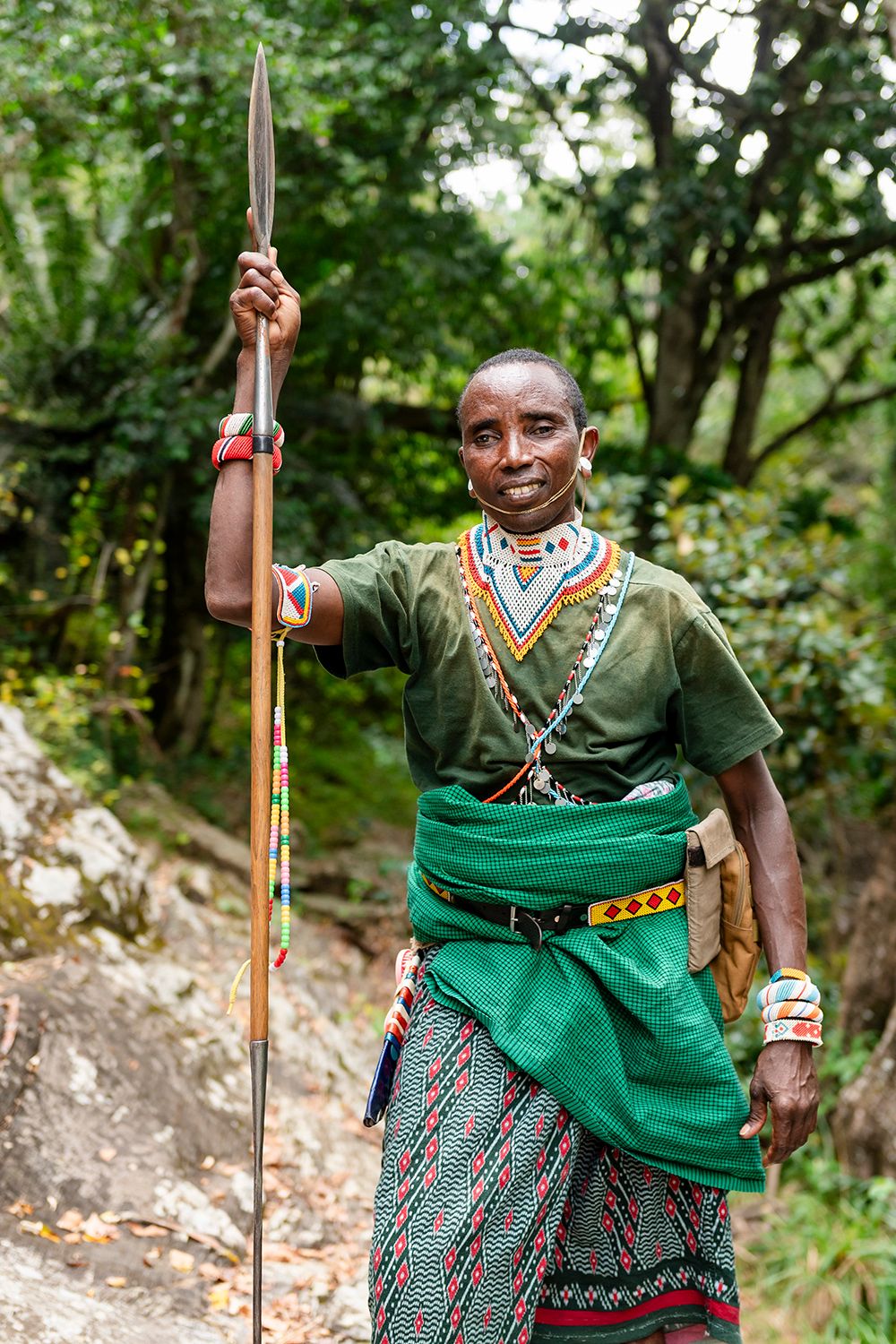
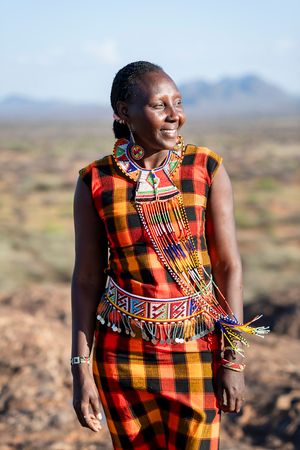
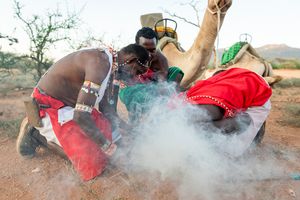
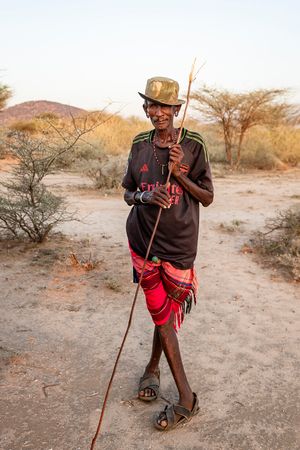
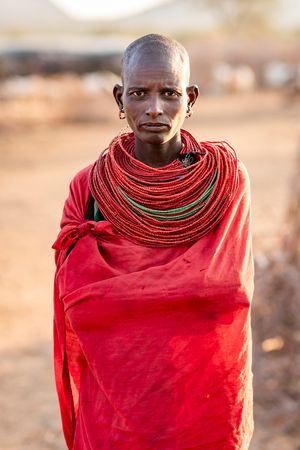
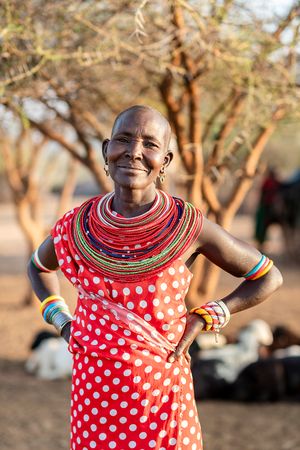
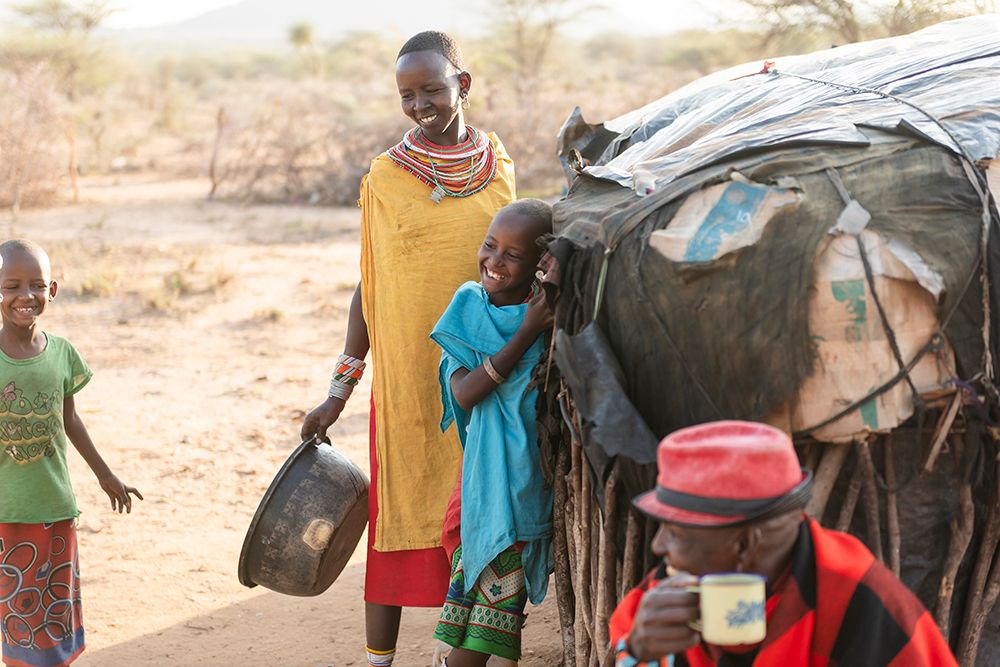
Amid this dramatic and challenging terrain lies the homeland of a proud and resilient people: the Samburu.
Travelled for AFRICAN - The Fine Art of Travel and published in Edition No 8